Showing posts with label Asia. Show all posts

E-Missionaries Saving African Recyclers: 9 Stages Of Eyes Adjusting to Dark

Senegal Computer Salesman - 2006
The 2006 picture of white computers shows a Tech Sector importer in his shop in Dakar, Senegal.  The Pentium 3s and 4s were likely 5 years old. They'd be 15 now. The picture itself is 11 years old. Someday, the computers will be Senegal's e-waste, if not already.

Until then, they brought the internet to people who could not afford to buy new.  And Souleymane, the geek in the white shirt, was one of the most interesting people I've met in a decade.  He stayed at my house.  We cooked and broke bread together. I accepted his money, and he accepted those computers from Vermont.

Most of us don't have a personal connection with Africans in photos of exported e-waste.  And most of the photos in the mainstream press do not have any specifics... names, age, date of import, chain of possession, etc.

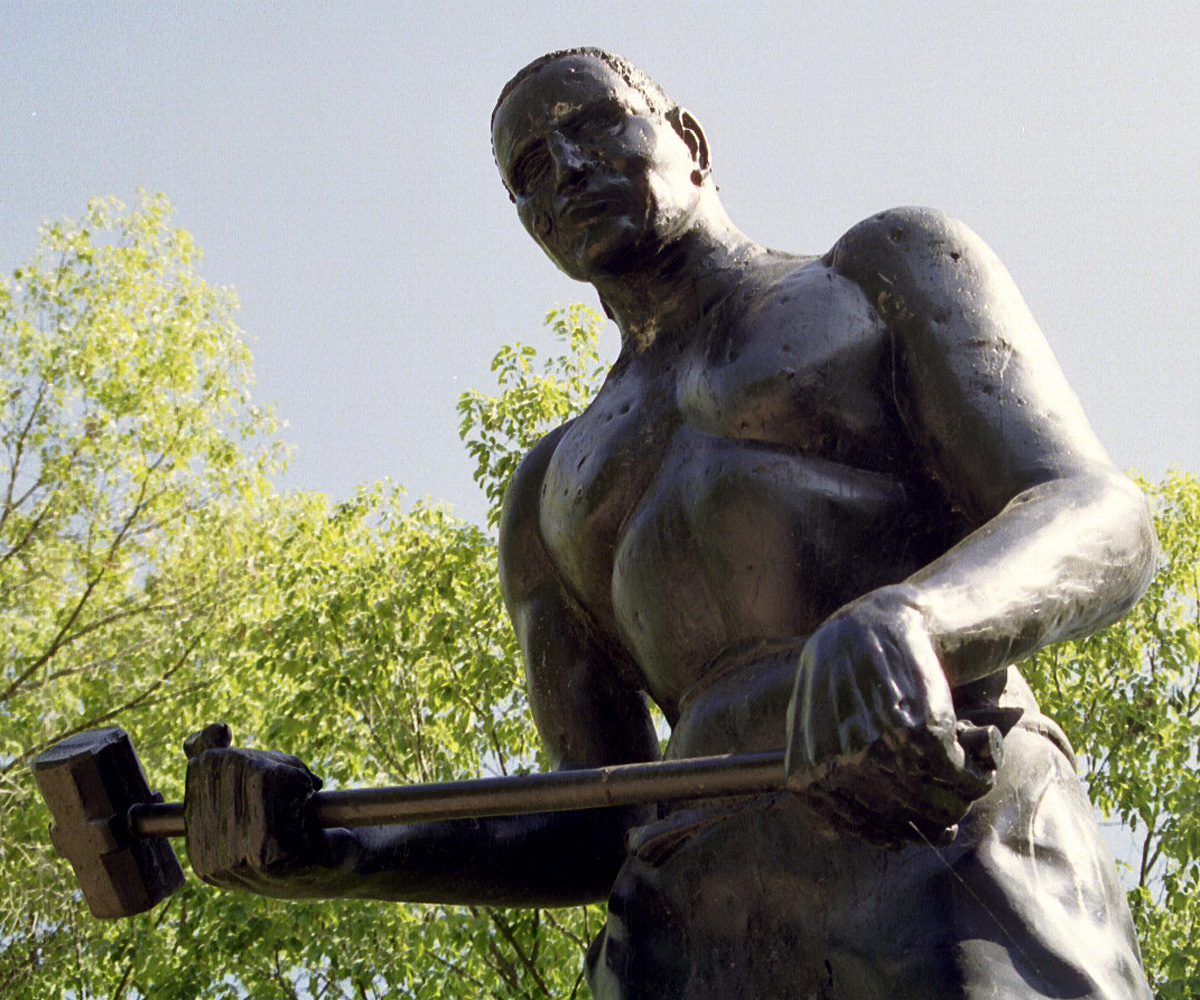
Contrast the 2006 import shop with the 2016 photo.


Unfortunately, neither photo is typical in news reports on exports of used electronics to Africa.

What do the photos below say to you as an Electronics Recycler?  It depends at what Stage of the Recycling Export Experience you have achieved.  To end racism and environmental injustice, you must first remember a lesson from childhood. Let your eyes adjust to the dark, and it won't frighten you as much as it does at first.

Here are the 9 Stages of Export Denial and Acceptance.

Refining the Fair Trade Recycling Mission Statement


"Recycling needs to be materials science, not a belief system. Collecting during bad markets is smart, shows reliable long term supply grid."

Fair Trade Recycling is pro recycling.  But we are not exactly defined as part of "Zero Waste" movements.  We are somewhat resistant to "producer responsibility", at least as a solution for secondhand goods markets - planned obsolescence and right to repair are opposing forces (if producer implies mining and virgin material extraction, we are all ears). If any group has a close affinity to Fair Trade Recycling, it's probably USA's "Net Impact"... young professionals in the business sector who are agents of conscience, making the world better by participating in, rather than reacting to, global markets.  The worst recycling is better than the best mining.

At the same time, while we defend and participate in the overseas recycling and repair and reuse sector, we are confronted with the eventual waste and unplanned obsolescence of goods we once exported.  Our vision is to turn this into an opportunity, a circular economy, rather than reversing course on the international trade which is clearly benefiting standards of living and information and education in emerging markets.

Our primary incentive is to create a transitional economy for Africa's Tech Sector, the reuse and repair markets for used electronics, which we project will face increasing pressure from new affordable devices (seen in Asia in the past decade).  We believe the value of the sector is in the minds and education and ingenuity of the repair market 

The "Tinkerer's Blessing" is the working title of a book I'm writing about development and "savior complex" and "charitable industrial complex".  It's actually very optimistic, a defense of trade and free market activity in Africa, Asia and other emerging markets.  Terry Gou, Simon Lin, Steve Wozniak, etc. were tinkerers very much like the laptop and cell phone repair shop gurus from Tamale and Accra, we want to pitch them as a functional distribution and maintenance market for inevitable growth of solar power models in Africa.

Where will Africa's Wosniak emerge?  Who will monetize the "good enough market" in a way that is scaleable (like Foxconn and Wistron), creative like Apple, and sustainable as Microsoft?

It will probably be in the energy sector.  Which brings us back to Solar power.  Can SolarCity (Elon Musk's transformational solar panel financing scheme) scale solar power in a cash-based economy like urban Africa?  Or do we need other innovative financing models, like cell phone plans, to secure investments?

We will need people.  Africa's Geeks of Color.  Africa's repairers, tinkerers, fixers.  We need to stop arresting the people who buy and sell teledensity equipment in Cairo and Lagos and Accra and Nairobi, we need to silence the charitable industrial complex which defines its goodness in misleading photojournalism depicting Africa as a "victim".  We need to push out of the closet the NGOs who use pictures of African kids at dumps to raise money which is never, ever spent on Africans.

Photojournalism without data journalism jails and fails.  Our mission will outlive me, because it's rooted in the same scientific method and inspired conscience which has made the world's best practices.

- Robin Ingenthron 11/9/2015

Recommendations to CWIT, INTERPOL on WEEE EWaste Project

delivered by Twitter, Linkedin, and Blogspot


June 25, 2015

David Higgins
Pascal LeRoy


Dear Pascal and David,

Thank you for Pascal's response to our initial draft of comments for the CWIT meeting in Lyon in June.   In addition to presenting more factual numbers, it is important that the CWIT group focus on percentages, not tons.

Ghana's secondhand imports, estimated at 215,000 tons, includes approximately 21,000 tons not reused. That's a real problem, but smaller than the generation of once-reused, now discarded electronics (and cars, and other machines) as cities like Accra modernize.  The generation predicted by World Bank and other sources will require in-country solutions, much greater than "informal" scrapyards (like Agbogbloshie) can offer. 


The ratio of fallout from secondhand electronics imports is similar to clothing, new electronics, automobiles, cell phones, broadcasting equipment.  No import container is perfect.  Shipping damage, human error, demand forecast changes, electrostatic discharge, and other fallout cannot be termed "illegal waste transport" without impacting all development. Criminal enforcement should be directed at goods (such as ivory) which is 100% illegal.

We recommend Interpol and CWIT start discussing acceptable "de minimus" quantities, and whether the testing Guidelines (used in prosecutions) is a good predictor of percentages.  And please, incorporate discussions with Africa's Tech Sector.  They are the ones who send contacts to Europe to source proper reuse equipment, they are the ones who pay for the equipment, they are the ones who have created double and triple-digit teledensity growth for Africans this decade.  Their supply to the "good enough" market creates the critical mass of users which makes paving roads, laying internet cable, erecting cell phone towers, etc., economically feasible.


We can introduce you to several speakers, or university research departments, who know these technicians, who would have been a valuable addition to your list of experts.  Here are some articles written by westerners who accepted this invitation, and met with these champions of the Emerging Market.  Fair Trade Recycling (tm) goal is to engage these technicians in managing the takeback of used electronics, and pay for their proper recycling by donating MORE used equipment at lower prices, rather than by driving up price and lowering demand in the current "Prohibition" enforcement model.


I will be arriving in Lyon (previously scheduled business) on July 1, if anyone from Interpol is interested in meeting to discuss a more progressive agenda to the media-driven "export crisis". In the meantime, here are some articles we recommend for distribution to your guests and attendees.


Sincerely,

- Robin Ingenthron, WR3A.org 


PS.  The illegal goods reported in Ghana were refrigerators which work, and which are eligible for a subsidized program to replace them with energy efficient models.   Stating that 1/3 of inspections found illegal goods should differentiate between the energy efficiency ban (not widely understood by importers) and illegal dumping.

Q: Are Millions of Tons of Western "e-Waste" Dumped in Agbogblshie, Ghana?


No.


There is more and more "e-waste" in Africa.  But the West (Europe and USA) are exporting fewer and fewer containers of used electronics.   The implication is obvious... used electronics DID work for 5-15 years after they were imported - Africans are finally replacing TVs and computers they imported more than a decade ago.

There is no big story here, other than the fake news was faked and Joe Benson is in jail because of it.

More African city households have had multiple televisions since the 1990s.  But the "sources" for the foreign dumping claim have all dried up.

John Henry:  "Where did that @#$% statistic go?"
Containers of used equipment being imported into Ghana's port (Tema, not Accra) are not going directly to the Agbogbloshie scrap yard. That can be disproved from any editor's desktop, or by looking carefully at photos purporting to show it.

And there is no evidence of widespread violations of international law.  15% waste is the margin of accidental breakage, electrostatic discharge, human error, etc., and it's as likely (or more likely) to come from brand new product lots as from used.

The discussion is not about what happens to used electronic scrap.  This is about is how to feel about people, and how those feelings promote a political agenda with multiple stakeholders, winners and losers.

How to feel about poor people, how to feel about non-profits, how to feel about ourselves when we consume more goods, how to feel about ourselves as do-gooders and non-profit founders..?  That's far more interesting than which type of video display (used CRT or new LCD) an African with $3,000 annual income should invest in.

[Addendum 6/23/2015 - After forced evictions begin, Discard Studies essay by J. Lepawsky and G. Akese explains history and land politics]

LIVE from UNH's Post Landfill Action Network: Internship, #FreeHurricaneBenson


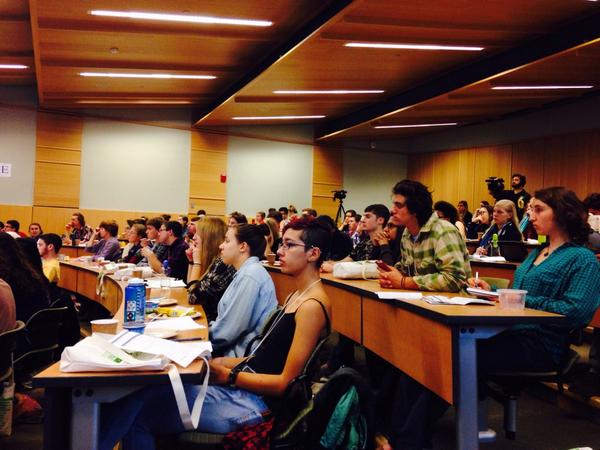
Presenting to 150 Recycling "Zero Waste" Activists in Durham NH.  

1)  We go LIVE with the iPetition to #FREE Hurricane Joe Benson (see tab at right)
2)  We go LIVE with the Fair Trade Recycling Ambassador Program Applications (Internship).

Much has been written, and will be written, about Joe Benson's ridiculous trial, convicted based on the "common knowledge" that the "majority" of TVs and electronics he purchased would be dumped and burned.

The Fair Trade Recycling Ambassador Program is being launched to recruit students interested in international travel to fly to countries where used electronics are being purchased and interview the buyers.  Find out what's being dumped (if anything) and negotiate improvements (if necessary).

WR3A/FairTradeRecycling would provide relief to the legitimate Geeks Of Color - like Benson's buyers - who are being branded as ignorant children.   A college educated Recycling Ambassador could go to Agbogbloshie and find out where the dumped TVs came from (as Grace from Memorial University did, finding they were collected in carts from the City of Ghana, NOT from sea container yards).  At the same time, if the buyers aren't all they claim to be, that could also be revealed.

Instead of "fly and buy" (or "fly and lie"), think of it as "fly and sell".

Embedded image permalink

Why I'm Pro Globalization

First, the anti-Globalists have to admit there's not much we have to say in the matter.

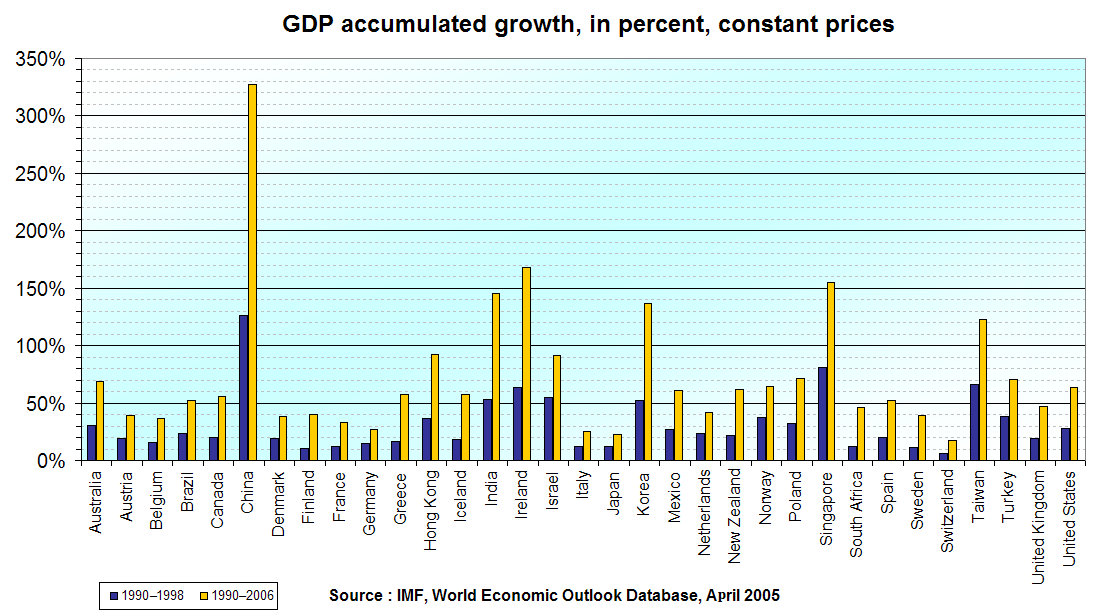
Pretending that the USA and Europe can isolate themselves, and that Asia, Africa, and Latin America's 6 billion people are going to develop better or more slowly without us is an a priori joke.  There simply is no solution to "globalization" and kvetching about it is like complaining about getting old.  Hippy grandparents yearning for the good old days of starvation and smallpox in poor countries is not my scene.  Wealth is increasing (see chart below) in countries which trade most.

No thank you, Daisy Racism
So, if the cat is out of the bag, so to speak, are ideas like alter-globalization and fairtrade going to do better if the rich and well regulated consumers get on the sidelines and boycott the emerging markets?  Of course not. The poor benefit more when they have more choice of people to trade with.

Third, having lived in Africa and having opened a recycling factory in Latin America, and having traded millions of dollars of goods with Asia, I can tell you that the Tin-Tin comics image of the emerging world is about as accurate as Uncle Toms Cabin in describing Atlanta.   The image of "primitive wire burning" recyclers around the world is intensely over-played, to the point of racial profiling, and belongs with "Arab terrorist" and "American cowboy" and "Japanese kamikaze".  All those anecdotes exist, but if that's your primary image of Dubai, Houston or Tokyo, you are ignorant.  Ignorant means "stupid with hope for a cure", though I'm sometimes afraid the condition is chronic.

Boycott as a response to "globalization" is like burning libraries to prevent pornography.  It's that damn stupid.  As a lifelong environmentalist who had devoted my life to recycling, I am ashamed to the point of tears that the "green movement" has harbored racist images of fixers and tinkerers, technicians and geeks.  We hurt the American economy when we shred items of value which could have been exported, and we hurt the buyers who then buy used product from Hong Kong or Shanghai with fewer choices.  Worse, when we shred up rare earth magnets and turn circuit boards into "fluff" to avoid superior hand disassembly, we help mining.
Mining is what builds the roads that kill the gorillas.  Mining "non-toxic" tin from Indonesian coral islands is what kills the sharks.  White eco-witch-doctors need to stop prescribing death.

If you are a "green" environmentalist, and you have friends who are global isolationists, tell them to get on a fair trade bandwagon, because boycotts are the new segregation, giving sinister meaning to "the new black".

Give the developing world a choice of jobs besides warrior, miner, poacher, sex worker... let them refurbish and recycle, give them incentives and tools, implement contracts to reduce child labor by paying adult wages.  Give boy scout badges for recycling to the poster children, and say "shame on you" to "watchdogs" who exploit poster children for money and don't share a dime with the kids.

I'm a globalist because I have friends in Africa, Latin America, and Asia who I met through trade, and we treat each other as equals, and we have all benefited.  My children eat with their children, my wife meets with my partners and their sisters and brothers.  None of this would have happened if I had been afraid to cross the tracks and trade with brown people.  I see my friends profiled, and I'm called names for expressing my loyalty to them.  Very harsh names.   I was too young to join the Civil Rights marches in the American south. But I learned enough about those marches, from my home in Arkansas, that I can spot a person using "inference" to make recycling, repair, and trade look  like it's causing poverty.


Liberal and Conservative Conservation

I've got some swell new posts in draft form, just need to do the customary cutting back (trimming some to make new topics, or "part IIs").

As it's Sunday, I have time for Facebook, we have Vermont friends coming over for a barbecue, and I have family calls to make.  Made air reservations for a liberal friend's funeral in California, made a lunch date for a conservative friend in Dallas two days later.  I'm getting the Facebook "like if (I) love Jesus" from friends in the midwest, and "like if I like George Carlin" from the Northeast.

I'll be thinking about how important it has been to get the older gals in Mexico (like Ms. Vicki above) drives to demanufacture, because our strategy of being the end market for TVs is getting hard on their backs.   Everybody, liberal and conservative, is alarmed about exporting hard drives with "information" on them to places like this, where elderly unemployed Mexicans without college degrees take them apart slowly by hand, keeping things like hard drive magnets with rare earth metals.  Texas, Vermont, and California are united... Ms. Vicki must be stopped, either because I'm exploiting her, or she's incapable, or polluting, or stealing sensitive hard drive information, or stealing American jobs.

We don't want her jumping the fence to take apart drives in the USA, and we don't want to ship the drives to Mexico.  So we put them through machines, destroying the reuse which the Thailand flood hard-drive shortage makes valuable, and destroying the rare earth metals in the magnets, which cling to the steel.

"Smiling and waving and looking so fine, I don't think you knew you were in this song"....

Shanghai Scrap Pictures: 10,000 Scrap TVs in a day

That's a day in the life of reporter Adam Minter (who has recently finished his upcoming book, Wasted, at Bloomsberg Press).  The photo below is from one inland city.

Adam verified with me (prior to his post) that this is not a certain inland city I know of (which does import CRTs, via inland routes from Viet Nam).  No, these are Chinese brand, Chinese generated televisions from Chinese homes.  Which isn't at all surprising when you have been to cities - cities in Asia, South America, and Africa - which are full of millions and millions and millions of people generating their own "e-waste".

Some of you may remember one of my more shocking discoveries from my trip to South America last spring.  The old reuse market which used to buy USA used TVs was still selling used TVs - marks from China.  By commingling their own used ("waste") televisions in a container, China made the new good-enough LCDs they manufacture affordable in smaller, less-than-load samples.  It had nothing to do with China exploiting Peru environmental standards.

I'll stop and let you cruise over to Shanghai Scrap to read Adam's post.  His conclusion was that the process he witnessed did a darn fine job of recycling the televisions.   China has developed a way to manage it's own e-scrap.  That's what we need everywhere that imports, exports, or grows their own electronics.   A ban on trade just doesn't make any sense at all.


Earth Day: Pre-Apology to EWaste Watchdogs

I've been working all week on a formal apology - or rather, a "Separate Peace" letter for Basel Action Network.   I'll never try anything like the California Compromise with them again.  Whether the "outing" of the Indonesian SKD factory was the direct result of my sharing the information about them with BAN, or not, they were callous at best and continued to not lift a finger to help my friends...

But I learned last week that the Indonesians are shrugging it off.   They appreciate my attention to righting the infamy.  It hurt, the stupid anti-reuse policy cost them tens of thousands of dollars and forced shutdown of a recycling operation for Indonesia-generated e-waste.

But they are getting over it.  Seeing them calm and laughing and making do reminds me of what I loved about my years in Africa.   People didn't hold grudges so much, didn't take themselves all that way too seriously.

And so the point has come that I need to move on.  If USA wants to keep thinking Egyptians are burning the computers they bought for $30 in a landfill and that Egyptian authorities in 2008 were concerned about the environment, well, we think plenty of stupid things and that's number umpteen on some list.

The trick writing-and-rewriting an apology is that it has to be done well.  If you are not really ready to apologize and are going to work in some blame-deflection, then don't do it yet.

This was my family's hostess, a really beautiful young South American woman.  She used to import used USA electronics, and built a business with 6 employees.  Then she bought used Chinese TVs as Chinese cities all moved to flat screens.  Then she bought cheap Chinese-factory refurbished flat screens.   She'd like to start a factory making new product in Peru... but for now she's helping her brother open a restaurant in the shop they used to sell CRT monitors in.


Sssssssssssssssssss.........

IPAD: I Want My, I Want My QWERTY

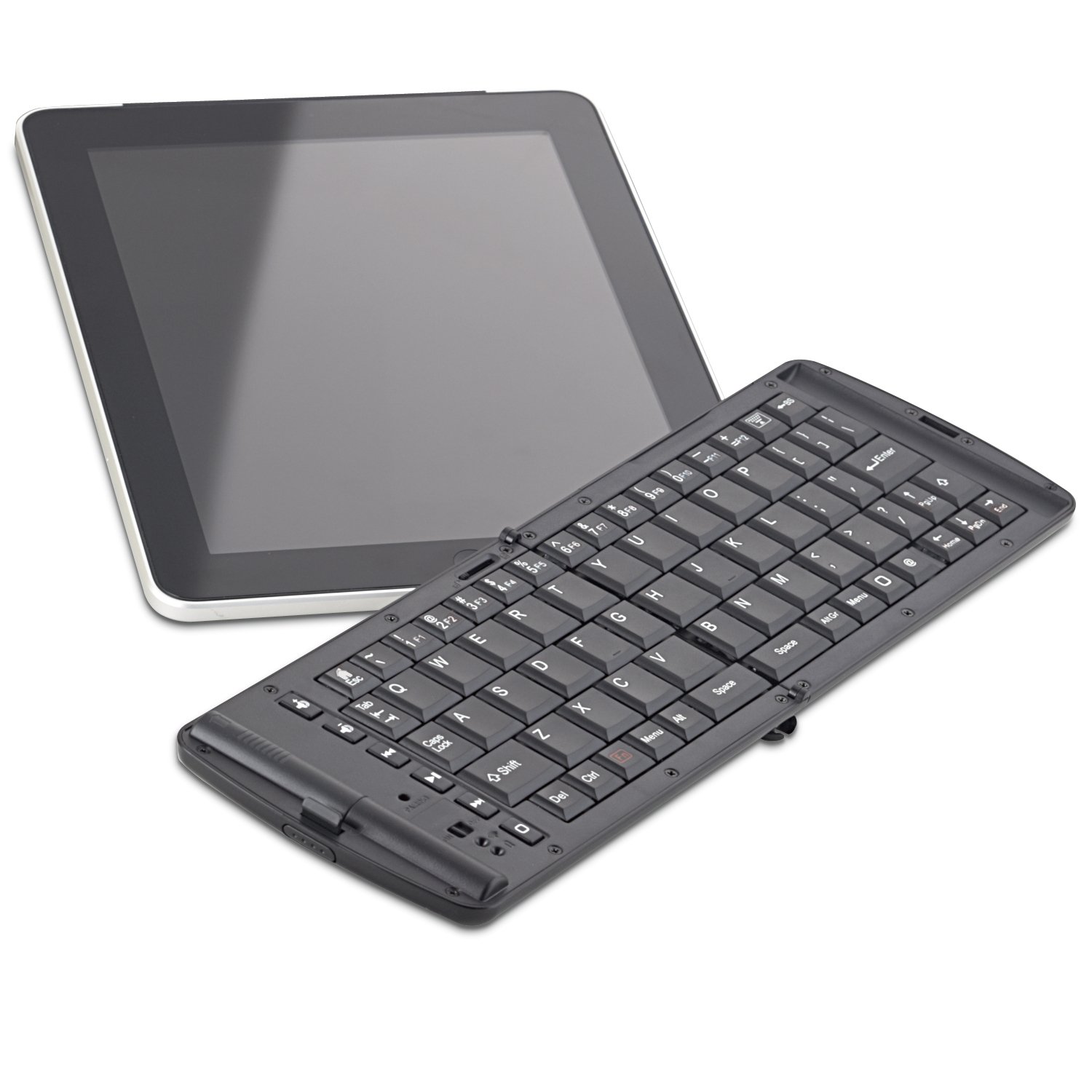
Money for Nothing Keyboard
The Day After Black Saturday:  Family discussing whether they want an IPad.  Or similar tablet, Galaxy, HTC, etc.

Millions of obsolete and junk products arrive here at our "e-waste" morgue, so opinion may pass as insight.

The laptop is a display device combined with a very flat computer (motherboard-powersupply-drive-etc).  They fold together with a keyboard input device sandwiched in between.  Three old technologies designed to fit snuggly.  In my warehouse we are surrounded by Input (keyboards, cameras and microphones) Output (display devices, speakers and printers), and the storage and processing (hard drives, processors) which bent time and distance to connect us to each other at exponential speed and convenience.

A smartphone eliminates the keyboard, in favor of a combination of software and touchscreen replacements... that is speed and convenience because of its portability (cell phone tower).   We generally don't use the smartphone to compose reports, blogs, or letters once we are at home or in the office.

Nevertheless, there have been enormous gains in touchscreen technology and software, as well as in voice recognition.  The smartphone market has unleashed a lot of software codewriting energy.

I want my, I want my, I want my QWERTY....

Where Apple really takes advantage is the opportunity to sell software or apps in this rapidly developing no-keyboard touchscreen market.   Two decades of Microsoft commanding the ALT-DEL keyboard market left other software makers too far behind to leapfrog Microsoft.  The growth of that market, and the level playing field, gives Apple a big reason to bring the touch display into the home and office.

Buying a PC, you were buying a software support environment based on a keyboard input device.  Apple had successes (notably with Adobe), but if you bought a PC you were buying a much larger stable of software code  With the Pad (touch pad) technology, Microsoft does not have a big bench.  The rules are being changed for input devices, and keyboard is no longer king.

So the question I ask my family is, how much do you hate your keyboard?   Enough to spend $1000 to get rid of it?  And will you buy a peripheral for $58.99 to replace it?

I want my, I want my, I want my QWERTY....

For me, so far, touch screen software - while it has made great gains - is still a limitation I put up with as a compromise... driving, cell phone towers, and battery life make it an advantage to laptops.   

When I see people buy keyboard-attachments for their IPads, I really think they should take another look at the sub-$500 laptop and netbook markets.

The big change however will be how non-English software takes advantage of the curve in the software road for Input Devices.   When I see Guangdong Geeks bent over the QWERTY device (infamously designed to slow input so mechanical typewriter keys don't jam), I wonder...


  • Are Chinese programmers enslaved by left-to-right keyboards reprogrammed for modern Chinese?  (Chinese and Arabs write right-to-left)

  • Or do they mainly sit passively and read from the display device, and not input (compose) as frequently?

  • Or are they going to use the leveling of the playing field for new touchscreen software applications to do, as Apple hopes to do, and leapfrog Microsoft?

  • Or... is this IPad tablet an I-fad, because really we will miss and should like our keyboards?  We keep them despite the QWERTY origins because they fit the speed at which we think most productively?
There are signs that my younger generations think more quickly than I remember thinking.   Younger staff, my kids, they are very fast conclusion-formers... They TXT LOL.  Hemingway, Dickens and Twain they are not (though all those writers thrived by incorporating less formal speech into their characters).

For the near term, Adobe, Google and Sun Java have as much of a level playing field to enjoy from keyboard-free input devices as does Apple or China.  Palm might have, but the sale to ink-cartridge-maker HP was hitching to a pretty old racehorse.

So for the IPad... I'm making room for them in the warehouse.  Personally, I always try to buy things I can repair or have a reasonable warranty (or sell-for-repair market, as my HTC Evo proved to have), and which have a reasonably mature software market.  We still have a very large Toshiba CRT Television (HD) in my living room, one discarded from an audio-visual company which paid top dollar for it, as part of a conference-call room.  A pre-skype conference call room.

I want my, I want my, I want my QWERTY....

And as anyone reading this knows, my input devices are as important to me as my display devices.  Touchscreen inputs, to me, are like sign language.  I respect it, and thank God for Helen Keller.  But I don't see it as a primary vehicle to compose a work of literature.

I'm not photogenic enough to rely on video, and the bandwidth constraints of video broadcast in emerging markets are unfriendly.  Video is like a subway, it can get you to lots of places with lots of people.  But typing is like walking, I'm not giving it up for the subway.

(Someone soon will release the first ever Text TXT novel, and it will be crap... Opera via telegraph)

I want my, I want my, I want my QWERTY....

Black Leg Mining Song


The recyclers in poor nations today seem to have inherited the untouchable qualities, distain and attitude of consumers, of the miners that preceded them.  These "black leg" miners were white.