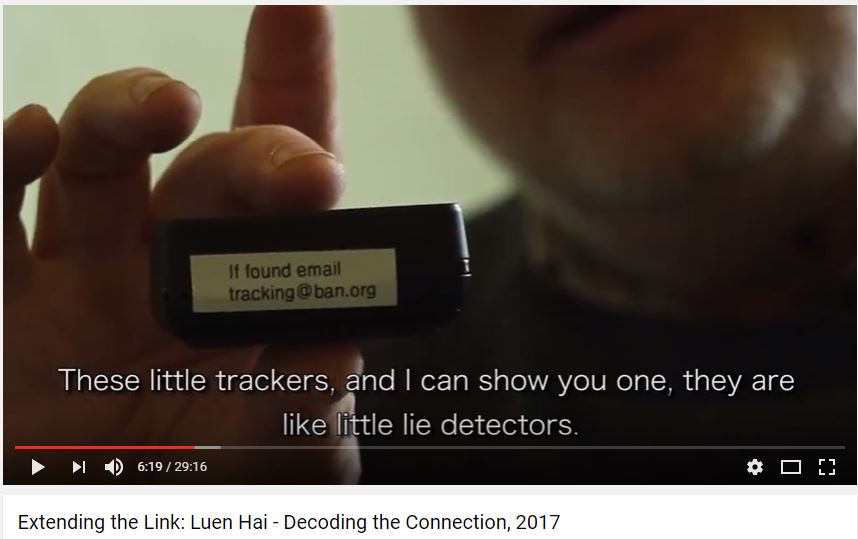
Summary: We applaud the next generation GPS Tracking study - if it's a truly random distribution and random sampling of end points. It's not the tracking that was bad in 2016, it was the opportunity for bias distribution and biased sampling of end points. Dell should ask MIT Ethics Review Panel (via legal department) how to do a reputable GPS used electronics tracking study.
- Randomly track and place all used electronics inputs. That means putting some trackers in 25 year old CRT TV junk that no one imports, some in working product that should be reused, not selectively sabotaging good enough looking stuff internally.
- Randomly distribute the randomly selected used electronics. That means blindly send the goods so you don't send specific selected stuff to a specific recycler.
- Randomly select end point export markets. That means you don't "obscure" good repair markets (cringeworthy 2016 study hid best and brightest in Hong Kong).
In 2016, Basel Action Network sent GPS Trackers out in the field and provided MIT with a textbook study of how to do it wrong. Sampling bias, financially involved research team, etc.
In 2018, BAN has announced they have a new partner - Dell. Above the fold are the steps Dell can take to avoid MIT's mistakes, and do this study right. I will applaud the tracking if the samples are done fairly, because then they will tell just as many stories about good Tech Sector outcomes overseas, as well as good stuff that got destroyed - not just bad stuff that didn't get fixed. I'm all for science.