An old colleague sent word that a Vermont writer took very strong exception to my position in Margot Harrison's
Vermont Seven Days article about the environmental benefits of books vs. e-readers (kindles, Ipads, etc). The interview was about 15-20 minutes, and it all got boiled down to a couple of sentence quotes from yours truly:
“If you buy a book that’s already been read once,” says Ingenthron, “then probably your footprint is zero.” His best advice for preserving paper? "Buy somebody a library card."
 |
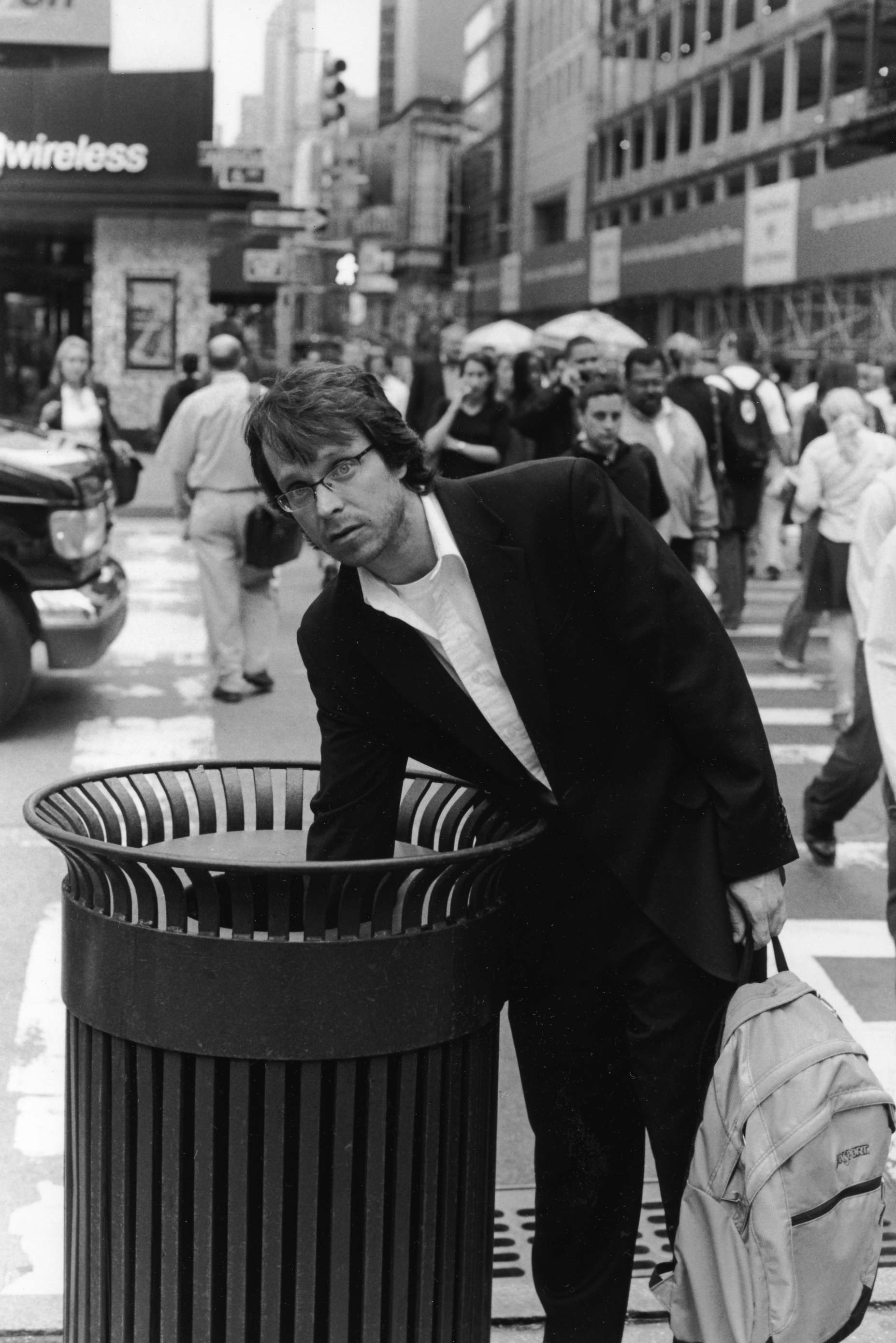
| Waste Expert Bliss [wiki commons] |
Mr. Bliss (a cartoonist) responded with a letter to the editor:
"In Margot Harrison’s story, “Print Versus Pixels” [April 13], Robin Ingenthron states that “hard-rock metal mining is by far the most horrible polluting activity by man on the planet.” Is Robin high? That’s an outright lie. The “academic scrutiny” he’s missing here is the devastating pollutants generated by the meat industry! Christ, that takes five minutes to fact-check on Google. Is hard-rock mining worse than oil spills?.."
First things first. Yes, hard rock metal mining
is worse than oil spills etc... Yesterday,
Associated Press ran a story on gold mining in Peru, part of which is to satisfy need for gold in new electronics. See also the
OK Tedi Mining Disaster (Borneo). ... that mine has now been reopened to satisfy metals demand in China's electric and electronic industry. The mining of metals for electronics is indeed the most
polluting activity on the planet. That is not an "
outright lie". The Ok Tedi River, Danube River, and Pearl River metals spills were indeed worse than oil spills. Here's a
recent article about how much mining waste is dumped at sea near Indonesia - that's not a spill, that's normal production, par for the course. Hard rock mining (mining of non-ferrous metals, gold, tin, lead, palladium, silver, copper, etc.) is completely underrated.
Google "earths most toxic places". Ask EPA, ask USGS, ask Superfund (14 of the 15 largest Superfund sites are hard-rock metal mining or smelting related)... etc., etc.,
However, to save Harry Bliss a heart attack, I thought I'd qualify my statements... It was not about getting people to read Mr. Bliss' comics at the library, which I understand might be upsetting to someone living on royalties. This was about environmental impact of print vs. electronic displays in the context of a gift. If you do buy an e-reader, for yourself, use it by all means. My wife bought one and loves it, has read 3-4 books in a few weeks since she got it.
Assuming that what is printed is worth reading... The environmental math ultimately depends on two calculations:
1) The number of works read on the Kindle during its life
2) The number of people who read on the printed book
It's all about the energy and resources
per human read. An e-reader will win if the download (reads) per brain is higher. But a single unread book is better than an under-used or obsoleted kindle.
Continuing with Mr. Bliss' letter:
Ingenthron goes on “...if you have an e-reader and you don’t read...” WTF! Who has an e-reader who doesn’t read?! I don’t know many people who buy $300 devices for no reason at all; that is a ridiculous argument."
The specific question asked by Ms. Harrison was about
gifting of an electronic device. For that, I said the electronic-reading device is most suitable for reading lots of works - especially works (like in a foreign language) which are specialized and not likely to be re-read again. It's difficult to compare that to a single book, with lots of readers. A book that never gets read is a wasted tree. But an electronic device which gets "obsoleted" by a change in software, media, or damage is a
waste of hard rock metals.