A Day in the Life: Honest Used Computer Exports


We get hundreds and hundreds of these requests through WR3A.   I just wanted to share a sample correspondence, received in the past 10 minutes.


Dear Mr. Ingenthron,

I am interested in importing used computers to from the US to East Africa. Does  your organization provide services related to linking potential buyers to legitimate exporters? If so, what can I do to benefit from this service?

Thank you and regards,

E.

The Know-Nothing Recycling Movement?

"The Know-Nothing movement was a nativist American political movement of the 1840s and 1850s. It was empowered by popular fears that the country was being overwhelmed by German and Irish Catholic immigrants, who were often regarded as hostile to Anglo-Saxon Protestant values and controlled by the pope in Rome. Mainly active from 1854 to 1856, it strove to curb immigration and naturalization, though its efforts met with little success. Membership was limited to Protestant males of British lineage over the age of twenty-one. There were few prominent leaders, and the largely middle-class and entirely Protestant membership fragmented over the issue of slavery." -wikipedia

I wrote a long post yesterday (Sac Bee Finds Guys).  It took awhile to land on the theme of exactly what intrigued/bugged me about the Sacramento Bee article.


   "We don't know how they dispose of it, 
       but we don't agree with it."       

Sacramento Bee Finds Guys: How SB20 Defrauds Reuse

Warmer, Warmer, Waarrmmmmer... Cold!

On Sunday, Sacramento Bee reporter Tom Knudson released another big story about "E-Waste" exports in California.  He is the reporter who travelled to visit Retroworks de Mexico last February, and did a good couple of stories about SB20.   Yesterday's article is titled "California recyclers find market for toxic trash" (follow link).  (2012- McClatchy has dropped links to the story, but follow ups found here).

Knudson nearly scores a home run.  However, there remain some bases to touch, or dots to connect.  The article continues to leverage value from the myth that recyclers overseas are nasty and brutish (I admit they are short).  I know Tom struggled with how to describe a fair trade operation.  Today I'll try to weave the arms and shoulders of the multi-colored dreamcoat together...

Wrong, Wrong, Wrong... How E-Waste Photos steer WEEE Policy


How does a great wall of "ewaste" photos obscure factual data on the trade in second-hand goods and secondary scrap commodities?  Data collection is more important than a competition to photograph the "largest TV sculpture".  

European "E-Waste" Recycling is heralded by some Product Stewardship advocates as the model for the USA.   The EU is certainly taking a very tough stand on exports of used computers.  Is the EU's Maginot Line against export trade the best response to unfair trade practices?

Are the European restrictions against sale of used electronics to emerging nations based on art or science?   Most photos of export loads don't answer the basic question, "Is the container 80% full or empty of affordable electronics?"  Queue the song, "Black Swan" by Thom Yorke.

Maybe I just didn't realize how traumatized the Europeans are by Cathode Ray Tube televisions.  These days, they are X-raying sea containers in Rotterdam, the Scottish EPA is arresting people at Salvation Army donation centers, and they are planning larger enforcements against anyone who sells a computer monitor to be used in an African Internet Cafe.


Based on photographic evidence, one might assume the CRTs are needed at home in Europe - to complete a "Great Wall of E-waste", which will completely encircle the European Union.

This Great "E-waste" Wall seems to symbolize a trade barrier to the export of second-hand electronic equipment, or export of copper or plastic scrap.

Could Europe be using arts market development to become self-sufficient in demand for used electronics?  On the other side of the wall, will Africans "leapfrog" their way into laptops and flat screens?

Ok.. I'm making fun of the Europeans here.  The point is not about this ill-conceived use of "e-waste" debris as objet d'art (located in Vilnius, Lithuania, where my first fair trade partnership started in 2003).  My point is that using photos to describe an entire culture is fraught with problems.

Global Trade and Recycling

There are those who think that global trade in recycling is a waste disposal campaign that exploits countries with poor labor and environmental standards.  There are those who think that free and fair trade generally leads to better outcomes than government efforts to intervene between market supply and demand forces.

The latter argument is usually bolstered if the government restriction begins with half a recipe for success.   Regulating the secondary market and ignoring the primary market is a textbook case of sloppy regulation.

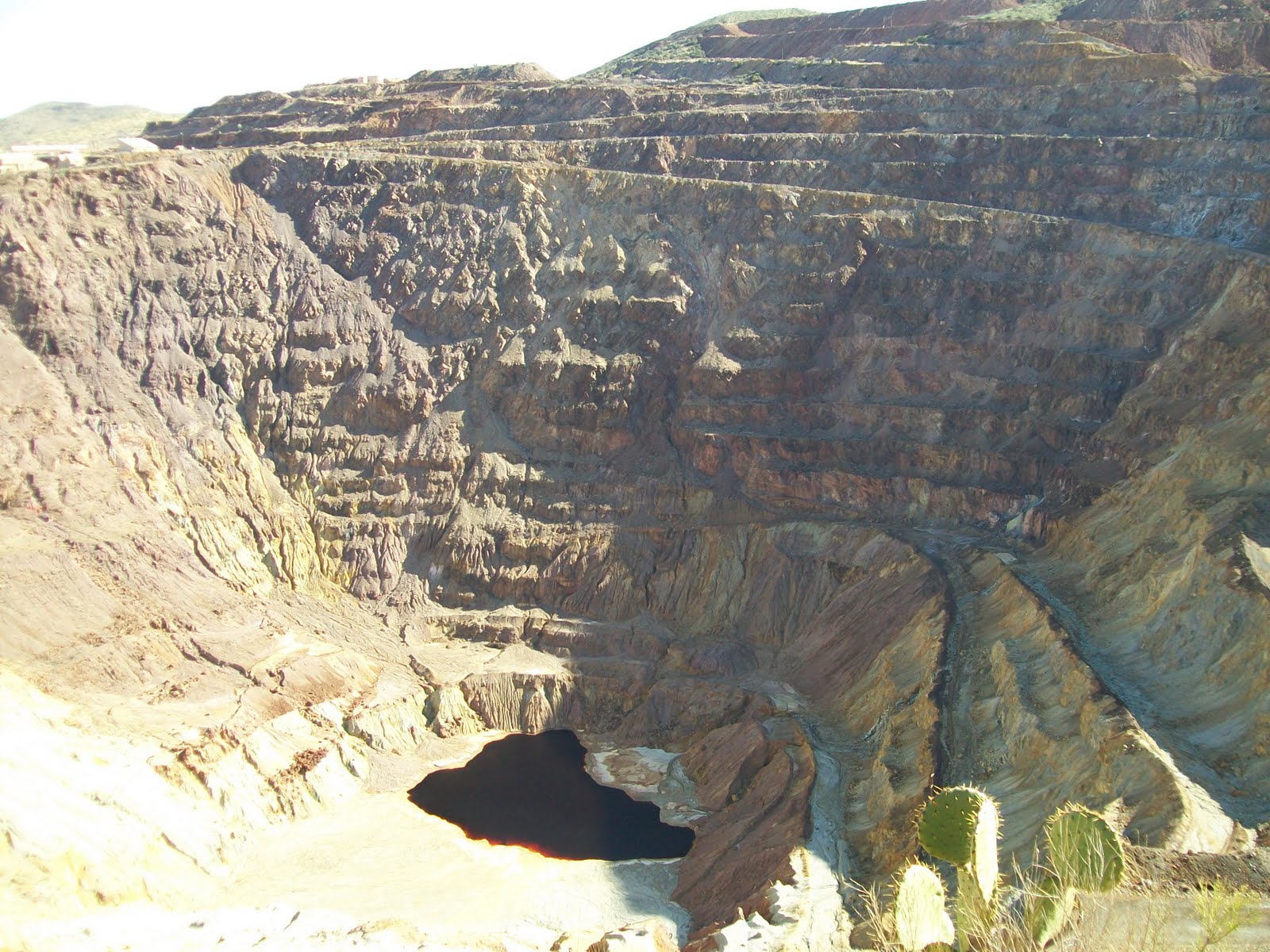
The global production of metals and petroleum and timber is the elephant in the room which no one (else) is talking about.   Mining residue and waste is considered domestic generation by Basle Convention;  recycling residue and waste is considered a trans-boundary movement.  This was an unfair playing field to begin with, but now advocates are trying to gut Annex IX, B1110, to add even repair and refurbishing to the list of "waste" processes.

The right to repair demands constant vigilance, even if virgin manufacturing is benign, or environmental impacts are equal.   But virgin ore mining and refining is far more polluting, toxic, and resource consuming than recycling.  Mining and forestry provide necessary products for modern society.  But if we ever have the choice to buy recycled instead of buying extracted, we'll reduce our impact on toxins and extinctions.