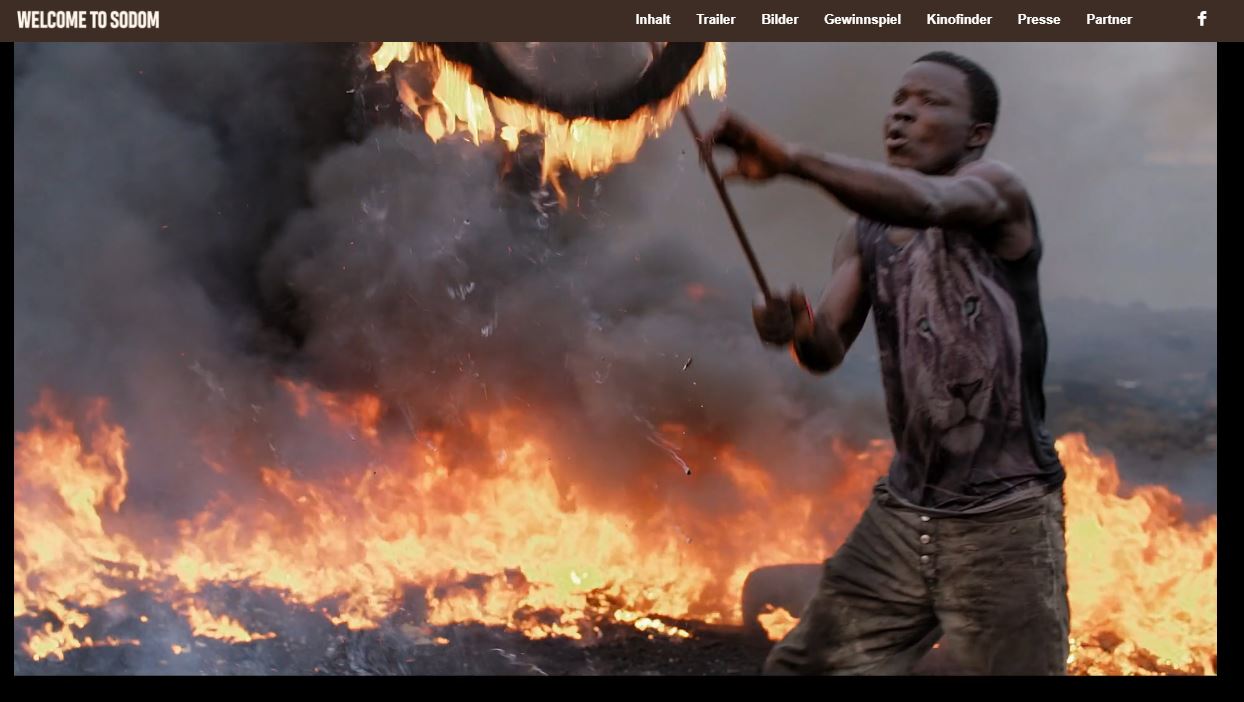
Agbogbloshie is a neighborhood near the center of Ghana's capital, Accra.
Ghana household teledensity (TV, internet, cell phone) has three digit growth, year on year.
Ghana residents afford this with used devices cherry picked from Western depots by African expats.
The most recent study (Secretariat Basel Convention) estimated that Ghana imported 215,000 Tons of second hand electronics goods (including refrigerators, microwaves, as well as PCs, TVs). The study concluded that about 90% of these were reused or repaired. 21,500 tons not reused were added to the estimated 129,000 tons junked by Ghana residents after years of use.
The fallout rate for used electronics is less than new electronics, according to Ghana technicians.
By Google Maps, Agbogbloshie is 20 minutes from the international airport, and 9 minutes from Accra's finest hotel. This has made it a Mecca for "exotic journalism".
The neighborhood, also known as "Old Fadama", is primarily inhabited by Muslims from the north of Ghana, Dagbani speakers in the greater Tamale area (other tribal minorities also live there).
Dagbani come as "economic immigrants" to find low wage labor, as alternative to agriculture, charcoal burning, mining, hunting jobs in the North.
Metal scrap recycled at Agbogbloshie's auto scrapyard is brought there from around the city, by tow truck, pickup truck, and hand pushcart. No sea containers have been seen at Agbogbloshie.
A tire burning operation on the riverbank by the scrap metal yard removes mosquito-bearing tires, but produces smoke and ash. Wires are placed in the tires, usually from auto wiring but also from used electric and electronic appliances. Older wiring, especially from buildings and decades old appliances, can bear leaded insulation which winds up in the ash and contaminates the soil.
School dropouts often come to watch the tire burning operation. During three visits in 2015, 27 young men were counted there.
The economic benefit of burning wire is dismal. Burners earn about $2 per day. All we interviewed said they only stay there to kill time while hoping for other work.
The auto yard is not even remotely close to being the largest scrap yard on earth. Estimates that 20-50 used electronics (PCs, VCRs, CRTs) are collected in the city were evaluated and found to correlate with the plastic housings and circuit boards accumated. The claim seen in Al Jazeera, Atlantic, Wired News, Washington Post, the Guardian, etc., that the site is a significant ewaste dump or recipient of western dumping is categorically false. Not simply exaggerated, it is unfounded and false.
Multiple peer-reviewed research studies have found that between 7% and 15% of used electronics imported to Tema (not Accra) are non-repairable. These include "white goods" (refrigerators and air conditioners) which are banned, working or not, due to conservation programs, subsidized WEEE collections intended to extend Ghana's electric service.
With among the best paying jobs in Ghana, Tech Sector Ghanains ("geeks of color") reuse and refurbishers provide internet, cell phone, and mass media to millions of Africans who could not otherwise afford it.
The increased demand for electricity is created by the high reuse - 85%-93% - of electronics imported. Accra is near the top of development charts, boasting double and triple digit teledensity increases (World Bank), year on year.
On June 19, 2015, military officers escorting bulldozers began to demolish homes and businesses in the shantytown. The Ghana press uses the term "Sodom and Gomorrah", borrowed or repeated by the Western Press, to describe the Old Fadama neighborhood.